What to Expect When Working With a Injury Attorney: a Step-By-Step Guide
Moving past the fallout of an accident can be overwhelming. Comprehending the role of a personal injury attorney is vital for anyone looking for justice and compensation. From the opening consultation to the last stages of closing a case, various stages are involved. Each phase requires meticulous focus and clear communication. As the process unfolds, individuals may find themselves wondering about the particulars of each step and how best to equip themselves for the journey ahead.
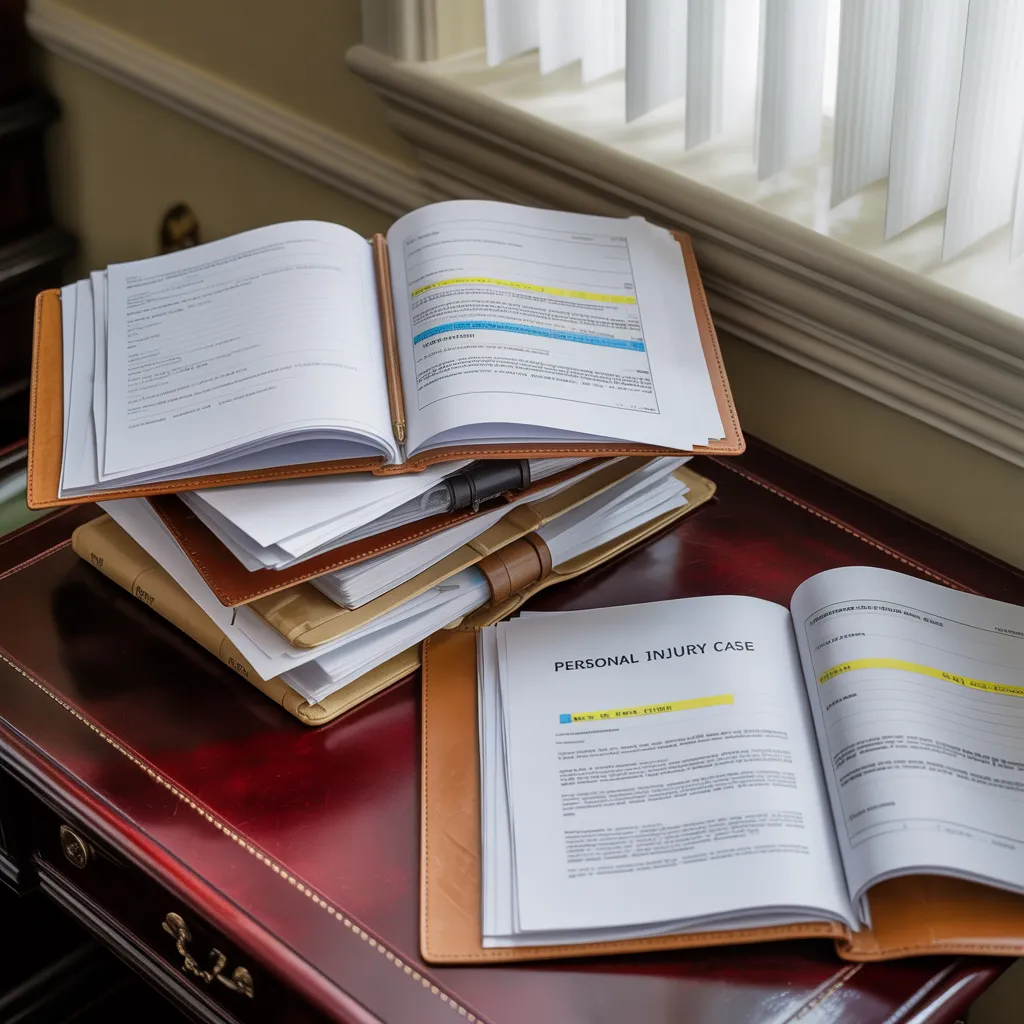
Comprehending Your Legal Claims After an Accident
What steps should one implement after undergoing an accident? First, it is vital to guarantee safety by shifting to a secure location and calling for medical support if needed. Capturing the scene is critical; taking photographs and collecting witness information can supply useful evidence later. Next, grasping one's rights is critical. Individuals should be conscious that they could qualify to compensation for medical outlays, lost wages, and distress and anguish. Filing the accident to the appropriate authorities and insurance companies is also necessary, as failure to do so could affect potential claims. Speaking to a personal injury attorney can facilitate clarify legal rights and obligations. They can mentor individuals through the complexities of personal injury law, ensuring that all relevant details are handled. This forward-thinking approach can empower accident victims, fostering a better grasp of their rights and the feasible avenues for healing.
What Should You Expect During Your Initial Consultation?
Upon understanding one's rights and initiating preliminary actions following an accident, the next key stage is the initial consultation with a personal injury attorney. During this meeting, the attorney will typically review the details of the case, seeking detailed information about the incident, physical harm suffered, and any medical treatment received. This is also an occasion for the client to furnish relevant paperwork, such as police reports or medical records.
The attorney will explain the legal process, potential outcomes, and any applicable timelines. Clients can anticipate an honest assessment of their situation, including the strengths and weaknesses. Significantly, this meeting is usually free, allowing people to gauge the attorney's knowledge and fit without financial pressure. The lawyer may also discuss their pricing model, often based on a contingency model, guaranteeing clients comprehend the monetary consequences of filing a case. In summary, this first consultation establishes the groundwork for the legal journey ahead.
The Method Your Personal Injury Lawyer Investigates Your Case
A injury legal professional carefully examines each case to create a strong foundation for the client's claim. This inquiry often begins with collecting pertinent records, including medical records, law enforcement reports, and accident photographs. The attorney may interview witnesses to obtain firsthand accounts, making sure all perspectives are taken into account.
Additionally, the lawyer will examine the details surrounding the incident, searching for evidence of negligence or misconduct. This might include consulting with specialists, such as accident reconstruction specialists or medical professionals, to reinforce the case. They also evaluate potential damages by evaluating medical expenses, lost wages, and emotional suffering, providing a comprehensive grasp of the client's situation.
Throughout this procedure, keeping clear dialogue with the client is crucial, as it allows the attorney to address any concerns and adapt the investigation strategy as needed. Ultimately, thorough preparation enables the attorney to advocate effectively on behalf of their client.
The Method of Achieving a Settlement
A settlement negotiation constitutes a important element of injury-related legal proceedings. The procedure typically begins with an initial settlement demand letter, followed by a array of counteroffers and strategic discussion approaches. In the end, the aim is to set the agreement conditions that meet the needs of all parties participating.
Opening Settlement Claim Letter
Creating the first settlement demand letter marks a critical phase in the negotiating phase for injury-related legal matters. This document functions as a formal request for payment, outlining the victim's damages and describing the circumstances of the event. It generally includes a overview of medical expenses, income loss, and other relevant costs, as well as the emotional and psychological impact of the harm. The attorney will meticulously document proof to support the claim, ensuring lucidity and persuasiveness. The demand letter is sent to the other side or their insurer, initiating discussions about payment. A well-prepared letter can set the tone for negotiations, creating a structure for the settlement discussions that follow.
Counteroffers and Negotiation Tactics
Drawing on information, medical records, and proof of psychological harm
Completing the Arrangement Details
Finalizing the settlement conditions in a personal injury settlement is an important step that can markedly impact the result for the affected individual. Once both parties arrive at a tentative agreement, the attorney will prepare a agreement paperwork detailing the terms, including compensation amounts and settlement schedules. It is vital for the injured party to review this document carefully, ensuring all aspects of the agreement are accurately reflected. The attorney will then discuss any last-minute modifications, if necessary. After both parties sign the settlement agreement, the attorney will facilitate the payment process. This stage is critical, as it confirms the conclusion of the case and stops further legal actions related to the incident. Clear communication and understanding are key to a positive outcome.
What You Must Know About Preparing for Trial?
Getting ready for trial calls for precise focus on particulars and a clear understanding of the legal process. Personal injury attorneys underscore the importance of gathering evidence, encompassing medical records, witness statements, and accident reports. This extensive collection serves as the backbone of the case, providing necessary support during trial proceedings.
Clients should also prepare for the need for pre-trial meetings where approaches are discussed, and roles are established. It is essential for clients to grasp court protocols and decorum, which can substantially impact their performance. Attorneys may conduct practice sessions to prepare clients for questioning and to improve their statements.
In addition, it is vital for clients to preserve open dialogue with their legal advisor, addressing concerns and questions in a timely manner. This proactive approach promotes a strong attorney-client relationship, ultimately increasing the prospect of a favorable outcome. Preparing thoroughly helps clients feel more confident and informed as they approach their trial date.
Final Steps: Closing Your Case and Moving Forward
As a personal injury case nears its end, several critical steps must be taken to ensure a favorable outcome. This includes navigating the settlement negotiation process, completing essential legal documents, and exploring after-case support options. Understanding these components is crucial for individuals seeking to close this phase and progress with their lives.
Settlement Negotiation Process
Negotiating a resolution is a defining moment in the personal injury claim process. During this phase, the counsel and the opposing party engage in talks to achieve a mutually agreeable compensation amount. The process typically begins with the legal counsel presenting a demand letter that outlines the client's injuries, damages, and the basis for the requested compensation. The opposing party may counter with an offer, prompting additional negotiations. It is vital for the lawyer to advocate assertively, balancing the client’s needs against realistic expectations. Elements such as medical expenses, lost wages, and emotional distress are reviewed. Ultimately, effective negotiations can produce a fair settlement, enabling the client to move forward without the necessity for extended litigation.
Finalizing Legal Papers
Concluding legal documents is a key step in the personal injury claim process, denoting the shift from dialogue to resolution. After reaching a settlement, the attorney drafts the required paperwork, such as release forms and settlement contracts. These documents outline the terms of the agreement, ensuring that both parties understand their obligations and rights. Usually, the client is asked to review and sign these papers, affirming acceptance of the settlement. After signing, the attorney typically submits the documents to the insurance company for processing. At this stage, it is often necessary to make sure all medical bills and other claims are correctly managed. When finalized, the case becomes officially closed, enabling the client to proceed with their life, armed with the resources needed for recovery.
Post-Case Resources Offerings
Once the legal proceedings end and a settlement has been reached, clients may still encounter hurdles as they return to daily life. Personal injury attorneys often provide post-case support measures to assist clients in this phase of adjustment. This might include referrals to medical professionals for ongoing treatment or therapy, making sure clients have access to the required resources for recovery. Moreover, attorneys may give advice on managing settlement funds, including financial management and investment guidance. Some firms also provide access to support groups or counseling services to aid clients in coping with the emotional aftermath. By facilitating these connections, attorneys aim to empower clients, fostering a smoother reintegration into their daily routines and enhancing long-term well-being.
Frequently Posed Questions
How Much Does Hiring a Personal Injury Attorney Usually Cost?
Hiring a personal injury attorney usually incurs a fee based on the outcome ranging from 25% accident help for families supporting recovery and 40% of the settlement amount. Clients generally pay nothing upfront, with charges deducted only upon a favorable outcome in their case.
What if My Matter Doesn't Go to Trial?
If a case doesn't go to trial, the personal injury attorney typically negotiates a settlement with the opposing party. This process aims to secure compensation for the client without the need for court proceedings.
Can I Change Lawyers if I'm Dissatisfied?
Yes, a person can switch legal representatives if dissatisfied. However, they should examine their contract for any requirements and ensure the new attorney is briefed about the case for a smooth transition in legal counsel.
How much time Will My Case Take to Resolve?
The length of a personal injury case can differ significantly, often taking anywhere from a few months to several years. Factors affecting this timeline include case complexity, extent of injuries, and negotiation processes.
Will I Have to Submit Medical Records?
Yes, parties usually need to furnish medical records. These documents establish injuries, treatment received, and recovery progress, serving as a vital component in establishing a compelling case and obtaining proper reimbursement during mediation or trial.